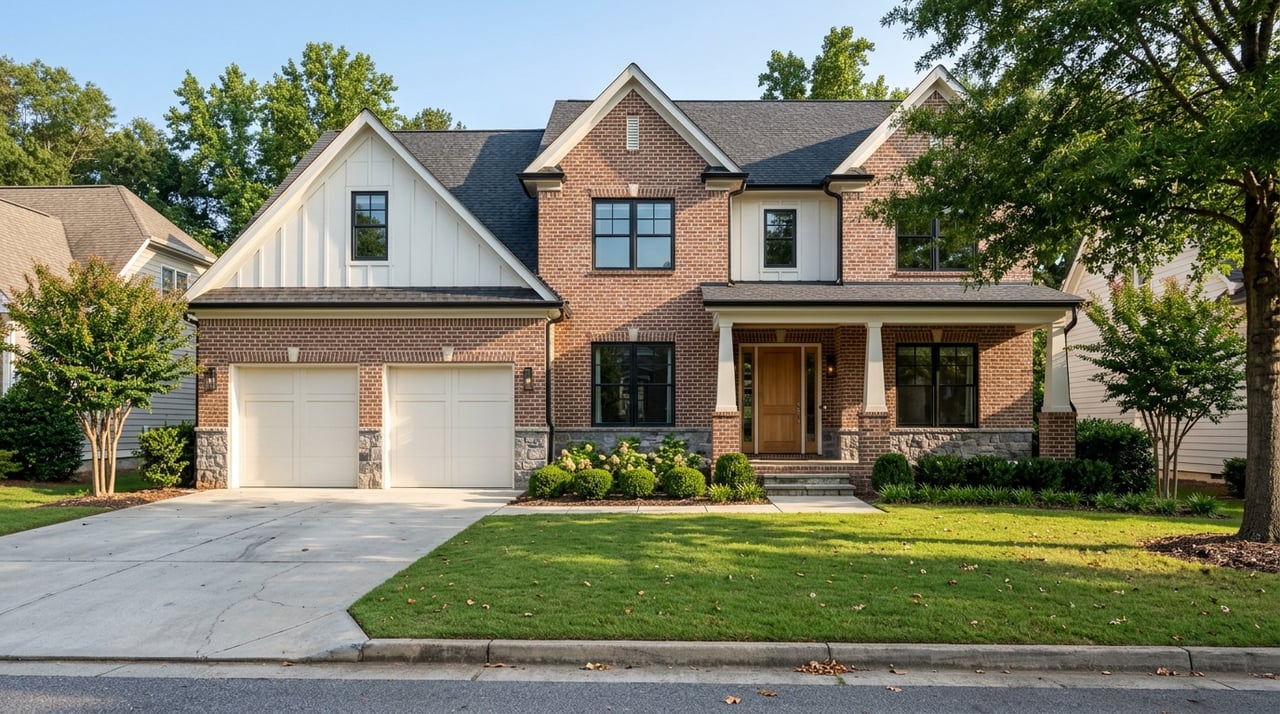
Thinking about a move to Alpharetta? You are not alone. For many buyers, Alpharetta stands out because it offers a rare mix of strong job access, well-defined lifestyle districts, and housing choices that range from traditional single-family homes to walkable mixed-use living. If you are relocating from another part of Metro Atlanta or from out of state, this guide will help you understand how Alpharetta is laid out, what daily life may look like, and what to verify before you buy. Let’s dive in.
Why Alpharetta Draws Relocating Buyers
Alpharetta is more than a suburb north of Atlanta. It is also a major employment and activity center, with 66,485 residents and a daytime population of 122,395, according to the city’s 2026 fast facts. That daytime jump tells you something important: many people come into Alpharetta to work, shop, dine, and spend time.
The city also offers a strong mix of economic activity and everyday convenience. Alpharetta reports 5,042 businesses, more than 150 community events, and more than 300 food and drink establishments. For buyers who want access to both work and amenities, that combination can be a big reason to relocate here.
From a housing perspective, Alpharetta trends toward a higher price point. The city reports a median home value of $628,317, and its quality-of-life information notes that 86% of homes are valued at $400,000 or more. If you are planning your move, it helps to enter the search with a clear budget and realistic expectations about what different price points may offer.
How Alpharetta Is Really Organized
One of the biggest mistakes relocating buyers make is thinking of Alpharetta as one central downtown surrounded by neighborhoods. In practice, Alpharetta works more like a set of connected districts. The city’s planning and visitor materials consistently point to Downtown, Avalon, North Point, Windward, and related activity areas as distinct parts of the local lifestyle.
That matters because your experience can change a lot from one district to another. One area may offer easier access to restaurants and trails, while another may offer a more traditional neighborhood layout or a different commute pattern. When you relocate, it helps to think less about a single “best area” and more about which district best fits your routine.
The Alpha Loop helps connect several of these activity centers, including Downtown and Avalon. The city describes it as a one-mile paved trail linking key destinations. For some buyers, that kind of connection adds value to day-to-day life, especially if you want to be close to dining, shopping, and outdoor space.
Housing Options in Alpharetta
Alpharetta has a broader housing mix than many buyers expect. The city includes single-family homes, townhomes, condos, and apartments, which gives relocating buyers more than one path into the market. Whether you want a yard, lower-maintenance living, or proximity to mixed-use areas, there are different formats to consider.
The city also says that nearly two-thirds of homes built in the past decade are in walkable, mixed-use districts. That is an important clue for your search. If you are drawn to newer housing, there is a good chance you may also be looking at areas where convenience and walkability play a bigger role than lot size.
At the same time, Alpharetta still leans owner-occupied. Census QuickFacts shows an owner-occupied housing rate of 65.1%. That suggests a market where homeownership remains a core part of the city, even as newer rental and mixed-use options continue to grow.
Choosing the Right District for Your Lifestyle
Relocating successfully is not just about finding the right house. It is about finding the right fit for your day-to-day life. In Alpharetta, that often comes down to how you weigh walkability, commute access, home style, and maintenance.
If you want a more walkable setting, you may be drawn to areas tied closely to Downtown, Avalon, or the Alpha Loop. These locations can put dining, retail, and trails closer to home. The tradeoff may be a different housing type, a smaller yard, or a more compact lot compared with a more traditional subdivision setting.
If you prefer a more suburban feel, you may focus more on single-family neighborhoods farther from the busiest mixed-use districts. That can change your daily pattern in a good way if you want more space or a quieter residential setup. The key is matching the location to how you actually plan to live, commute, and spend your weekends.
Commute Access Matters in Alpharetta
In Alpharetta, commute planning usually starts with GA-400. The city notes that it has five direct GA-400 interchanges, which makes this corridor central to how many residents and workers move through the area. If you will be driving to another North Fulton location, Sandy Springs, Perimeter, or farther south, your access to GA-400 can shape your routine in a major way.
Transit may also matter, especially if you want flexibility. MARTA Route 140 runs between North Springs Station and Windward Park & Ride and serves destinations including North Point Mall, Avalon, Alpharetta High School, the North Fulton Health & Human Services Center, and Georgia State University Alpharetta Center. MARTA Route 185 also connects North Springs Station and Windward Park & Ride along key roads in the area.
The citywide mean travel time to work is 26.3 minutes, according to Census QuickFacts. Still, averages only tell part of the story. Your actual commute will depend on where you live in Alpharetta, how close you are to GA-400 or a park-and-ride option, and whether your job is in Alpharetta itself or elsewhere in Metro Atlanta.
Alpharetta’s Local Job Base
Some buyers relocate to Alpharetta for easier access to jobs outside the city. Others move here because Alpharetta has a substantial employment base of its own. That is an important difference, especially if you want to shorten your commute or keep future job flexibility in mind.
The city’s largest employers include ADP, Morgan Stanley, AT&T, Equifax, Jackson Healthcare, Fiserv, LexisNexis Risk Solutions, Verizon, UPS Supply Chain Solutions, and Delta Dental. The workforce data also says more than 100,000 professionals commute into Alpharetta each day. That helps explain why homes near major roads and activity centers often get so much attention from buyers.
For a relocating household, this can be a practical advantage. If more than one person in your home works in different parts of the region, Alpharetta can offer a useful base between local jobs and broader Metro Atlanta access.
Parks, Trails, Dining, and Daily Life
A relocation decision is never only about the house. You are also choosing how your daily life will feel once the boxes are unpacked. Alpharetta’s lifestyle appeal is closely tied to its parks, trails, shopping, and dining.
Destination materials say the city has more than 25 parks and more than 775 acres of green space. Wills Park, Big Creek Greenway, and the Alpha Loop are among the best-known outdoor features mentioned by the city and local tourism resources. If time outside matters to you, this is a meaningful part of Alpharetta’s appeal.
Shopping and dining are also concentrated in recognizable districts rather than scattered evenly across the city. Alpharetta’s guides note more than 250 shops within five miles and more than 270 restaurants across its main districts. For buyers who enjoy convenience and variety, that district-based layout can make a big difference in how easy everyday errands and weekend plans feel.
What to Verify Before You Buy
When you are relocating, details that seem small at first can become major quality-of-life issues later. That is why a careful review of the property and its location matters just as much as the home tour itself.
Here are a few smart questions to ask during your Alpharetta home search:
- Is the home in a walkable mixed-use area or a more traditional subdivision?
- How close is it to GA-400, North Springs, or a park-and-ride option?
- Does the location trade yard size for proximity to trails, dining, and retail?
- What HOA or condo association rules apply to the property?
- How does the district fit your work schedule and weekend habits?
If schools are part of your planning, verify the assignment by exact address. Alpharetta is primarily served by Fulton County Schools and mostly falls within Learning Zone 7, with portions in Zones 5 and 6. That means you should not assume a school assignment based only on a neighborhood name.
A Smart Way to Approach Your Move
Relocating to Alpharetta goes more smoothly when you start with lifestyle priorities, not just a list of bedroom counts. Think about your commute, your preferred home style, how much maintenance you want, and whether you would use nearby dining, trails, or shopping on a regular basis. Those answers can help narrow your search much faster.
It also helps to work with a team that can guide you through the tradeoffs between districts, price points, and property types. If you are buying from a distance, clear communication and local insight become even more important. You want a process that feels informed, organized, and tailored to how you live.
If you are planning a move to Alpharetta and want practical guidance on neighborhoods, commute considerations, and the right home fit for your goals, connect with The Joe Carbone Team. You will get experienced support, responsive communication, and a team that understands how to help Metro Atlanta buyers move with confidence.
FAQs
What should relocating buyers know first about Alpharetta?
- Alpharetta is best understood as a group of distinct districts, not just one downtown area, so your lifestyle and commute can vary a lot depending on where you buy.
What housing types are available for buyers in Alpharetta?
- Alpharetta includes single-family homes, townhomes, condos, and apartments, with many newer homes located in walkable mixed-use districts.
What is the median home value in Alpharetta?
- The city reports a median home value of $628,317.
What is the average commute time for Alpharetta residents?
- Census QuickFacts lists a mean travel time to work of 26.3 minutes, though your actual commute will depend on your location and destination.
What roads and transit options matter most in Alpharetta?
- GA-400 is the main commute corridor, and MARTA Routes 140 and 185 connect key Alpharetta destinations with North Springs Station and Windward Park & Ride.
What should buyers verify about schools in Alpharetta?
- Buyers should check school assignments by exact property address because Alpharetta is primarily in Fulton County Schools but spans multiple learning zones.
What amenities make Alpharetta appealing to relocating buyers?
- Alpharetta offers more than 25 parks, more than 775 acres of green space, a connected trail system, and major shopping and dining districts across the city.