By The Joe Carbone Team
Pull through the gates off Redwine Road, and Whitewater Creek makes its priorities clear with its gorgeous homes. Manicured Bermuda turf rolls toward the Arnold Palmer Signature course, hardwoods arch over the streets, and the water glints between lots that have been shaped by careful stewardship.
If you own a home in Whitewater Creek or you are preparing to list, thoughtful landscaping is one of the highest-return investments you can make in your property.
Key Takeaways
- Whitewater Creek's fairway-facing lots reward open, layered plantings that frame golf course views.
- The community's mature hardwood canopy calls for shade-tolerant understory plantings that work with the existing trees.
- Waterfront and lakefront parcels benefit from native grasses and deep-rooted plantings that stabilize the shoreline while keeping sightlines to the water open.
- Fayette County sits in USDA Zone 8a to 8b, so warm-season turf, such as Bermuda and Zoysia, along with camellias, azaleas, and hydrangeas, performs beautifully here.
- Amending the region's dense red clay soil before planting is the single most important step for long-term landscape health.
Designing Around the Arnold Palmer Golf Course Views
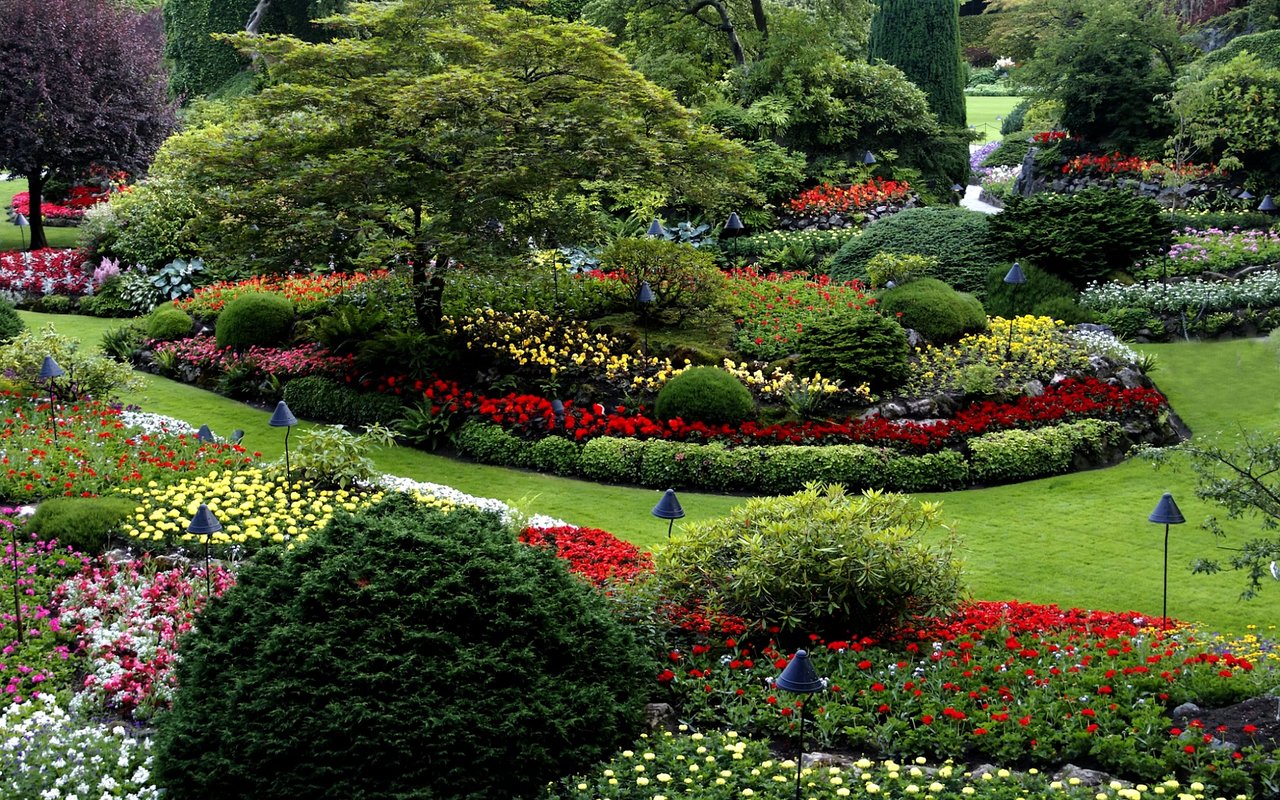
The course is the visual centerpiece of Whitewater Creek Country Club, and if your lot borders a fairway, your landscaping should treat that view as a feature to be framed. The Palmer design is known for its generous fairways, undulating Bermuda greens, and old-growth trees, so the goal on a course-facing lot is to echo that manicured-yet-natural quality. Low, sweeping beds and clean turf lines let the eye travel from your yard out to the course without interruption, which is exactly the sense of continuity that makes these lots feel expansive.
Resist the urge to plant a dense screen along the property line. Instead, use plant material in layers of graduated height, keeping the tallest specimens toward the sides of the lot and the lowest plantings closest to the fairway sightline. Whitewater Creek's landscapes set a high bar, so a well-maintained warm-season lawn keeps your grounds looking cohesive with the surroundings.
Resist the urge to plant a dense screen along the property line. Instead, use plant material in layers of graduated height, keeping the tallest specimens toward the sides of the lot and the lowest plantings closest to the fairway sightline. Whitewater Creek's landscapes set a high bar, so a well-maintained warm-season lawn keeps your grounds looking cohesive with the surroundings.
What To Prioritize On Course-Facing Lots
- Keep garden beds low and horizontal so that the fairway remains the dominant view.
- Choose turf that matches the manicured character of the course.
- Position taller specimen trees toward the side property lines to frame the course beyond.
- Use curved, sweeping bed lines that echo the natural contours of a Palmer-designed layout.
Working With Whitewater Creek's Mature Hardwood Canopy
One of the most distinctive qualities of the Whitewater Creek community is its tree cover. These mature hardwoods are an asset that newer developments simply cannot replicate.
Beneath oaks and other hardwoods, you can build rich, layered understory beds using shade-tolerant shrubs and groundcovers that thrive out of direct sun. This is where camellias, hydrangeas, hostas, and ferns earn their place, giving you texture and seasonal color in areas where turf would struggle.
Be mindful of the root zones of established trees when you plan beds and irrigation. Compacting soil or piling mulch against trunks can slowly damage the very trees that give your lot its character.
Beneath oaks and other hardwoods, you can build rich, layered understory beds using shade-tolerant shrubs and groundcovers that thrive out of direct sun. This is where camellias, hydrangeas, hostas, and ferns earn their place, giving you texture and seasonal color in areas where turf would struggle.
Be mindful of the root zones of established trees when you plan beds and irrigation. Compacting soil or piling mulch against trunks can slowly damage the very trees that give your lot its character.
How To Plant Beneath Mature Trees
- Select shade-loving shrubs, such as camellias and oakleaf hydrangeas, that flower reliably in dappled light.
- Use groundcovers and ferns to soften bare soil beneath the canopy where grass will not thrive.
- Avoid heavy digging within the critical root zone so that you do not compromise the health of established hardwoods.
Landscaping for Lakefront and Waterfront Lots
Whitewater Creek's water features are a signature part of its appeal. If your lot touches the water, your landscaping needs to look refined while also protecting the shoreline and preserving your view.
Deep-rooted native plantings along the water's edge help hold the bank in place and reduce erosion, which protects both your property and the health of the lake. Ornamental grasses, sedges, and moisture-tolerant perennials offer movement and softness at the shoreline.
Closer to the home, you have room to be a bit more manicured, using structured beds and turf that give way to the looser, naturalized plantings near the water. This gradient from formal to natural mirrors the way the community moves from clipped fairways to wooded edges to open water.
Deep-rooted native plantings along the water's edge help hold the bank in place and reduce erosion, which protects both your property and the health of the lake. Ornamental grasses, sedges, and moisture-tolerant perennials offer movement and softness at the shoreline.
Closer to the home, you have room to be a bit more manicured, using structured beds and turf that give way to the looser, naturalized plantings near the water. This gradient from formal to natural mirrors the way the community moves from clipped fairways to wooded edges to open water.
What To Consider Near the Water
- Plant deep-rooted native grasses and perennials along the bank to stabilize the shoreline and limit erosion.
- Keep waterside plantings low so that your view of the lake remains open.
- Transition from manicured beds near the home to naturalized plantings at the water's edge for a cohesive flow.
Plants That Thrive in Fayette County's Climate
The Fayette County area falls within USDA Hardiness Zone 8a to 8b, which means mild winters and long, warm growing seasons that suit a wide palette of Southern favorites.
Warm-season turf performs best in this climate, so Bermuda and Zoysia are strong choices for the sunny, open portions of your lot, giving you that dense, manicured look that complements the course. For color and structure, azaleas, camellias, hydrangeas, and Southern magnolias are proven performers.
The region's characteristic red clay soil is dense and slow to drain in its natural state. Amending planting areas with organic matter to improve drainage and structure is the step that separates thriving landscapes from struggling ones.
Warm-season turf performs best in this climate, so Bermuda and Zoysia are strong choices for the sunny, open portions of your lot, giving you that dense, manicured look that complements the course. For color and structure, azaleas, camellias, hydrangeas, and Southern magnolias are proven performers.
The region's characteristic red clay soil is dense and slow to drain in its natural state. Amending planting areas with organic matter to improve drainage and structure is the step that separates thriving landscapes from struggling ones.
Zone 8 Planting
- Use warm-season turf, such as Bermuda or Zoysia, for the sunniest, most manicured areas of your lot.
- Amend dense red clay soil with organic matter.
- Select evergreen anchors, such as Southern magnolias.
FAQs
What Landscaping Style Works Best For Homes In Whitewater Creek?
A refined, layered style that echoes the manicured character of the golf course tends to work beautifully here. Think clean turf lines, sweeping curved beds, and graduated plant heights. The community's mix of fairways, mature hardwoods, and water rewards landscaping that feels polished near the home and gradually more naturalized toward the property edges.
Which Plants Grow Well In Fayetteville, GA?
Fayetteville sits in USDA Zone 8a to 8b, so warm-season turf, such as Bermuda and Zoysia, thrives here, along with azaleas, camellias, hydrangeas, and Southern magnolias. Shade-tolerant options, such as ferns, hostas, and oakleaf hydrangeas, do well beneath the mature tree canopy.
Does Soil Preparation Matter In Fayetteville, GA?
The Piedmont region around Fayetteville is known for dense red clay that drains slowly and compacts easily. Amending your planting areas with organic matter before you plant improves drainage, root development, and long-term plant health.
Landscaping That Belongs at Whitewater Creek
Exceptional landscaping in Whitewater Creek is about working with what makes this community special. When your grounds frame the Palmer-designed fairways, honor the old-growth canopy, protect the shoreline, and lean into the plants that love Fayette County's climate, the result is a property that feels like it truly belongs here. Estate-scale lots give you the space to be ambitious, and thoughtful design turns that space into one of your home's greatest assets.
At The Joe Carbone Team, we know Whitewater Creek and the broader Fayetteville real estate market, and we are always glad to share guidance on positioning your home to shine.
At The Joe Carbone Team, we know Whitewater Creek and the broader Fayetteville real estate market, and we are always glad to share guidance on positioning your home to shine.