If you love the idea of a home with character but still want the comfort of modern updates, Kirkwood may feel like the best of both worlds. This intown Atlanta neighborhood blends a long architectural history with everyday convenience, green space, and ongoing reinvestment. If you are thinking about buying in Kirkwood, it helps to understand how historic bungalows, renovated homes, and newer development all fit together. Let’s dive in.
Why Kirkwood Stands Out
Kirkwood is not just a neighborhood with a few older homes scattered around. It is a large historic residential area in DeKalb County with roots that go back to the post Civil War period. It grew into a streetcar suburb by the late 1800s, was incorporated in 1899, and became part of Atlanta in 1922.
That long timeline matters because it shaped the neighborhood you see today. Instead of feeling built all at once, Kirkwood has layers. You can see that in its streets, home styles, local business areas, and the way historic character and modern living exist side by side.
Historic Homes Shape Kirkwood’s Identity
The Kirkwood Historic District covers roughly 850 acres and is recognized for architecture, community planning and development, social history, industry, and commerce. In practical terms, that means Kirkwood is known for more than one look or one era. It is a neighborhood with a broad range of homes built over several decades.
Bungalows and American Small House styles are the most common historic house types in the district. You will also find Queen Anne, Folk Victorian, Craftsman, English Vernacular Revival, Neoclassical Revival, Colonial Revival, Ranch, and other homes that reflect the area’s growth from the early 1900s through the postwar years.
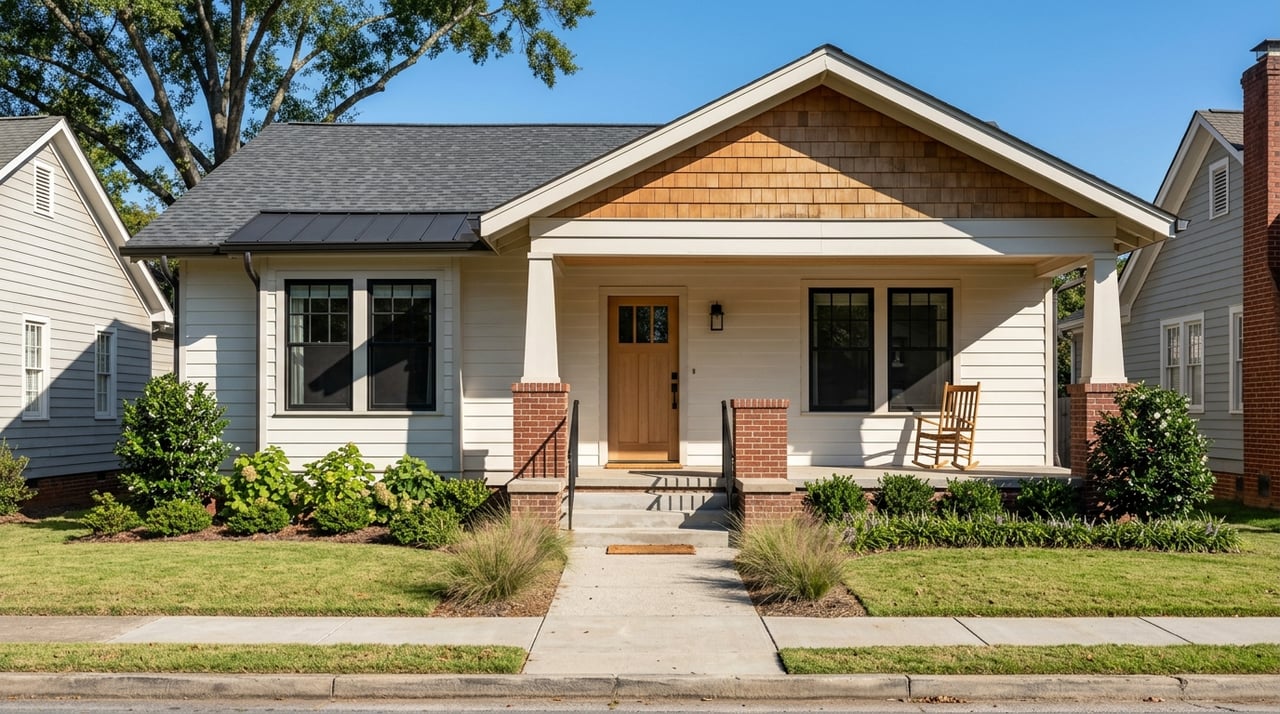
Many of the homes that give Kirkwood its charm are one-story bungalows on small lots with consistent setbacks along tree-lined streets. The neighborhood’s grid pattern and long-established streetscape help create a cohesive feel, even with the variety in home styles.
What Makes Kirkwood Bungalows So Appealing
For many buyers, the bungalow is the heart of Kirkwood’s appeal. These homes often offer inviting front porches, compact but efficient layouts, and architectural details that are hard to duplicate in newer construction. Their scale also fits the neighborhood well, which adds to the sense of continuity from block to block.
At the same time, historic charm usually comes with tradeoffs. A home may have original details you love, but it may also have older systems or materials that need a closer look. That is why buying in Kirkwood is often about balancing style, function, and long-term upkeep.
Modern Living Fits Into the Picture
Kirkwood is not frozen in time. Historic Kirkwood notes that many older homes have been restored or renovated by newer owners, and the neighborhood’s Spring Fling & Tour of Homes highlights both historic and renovated properties. That tells you something important about the area: preservation and adaptation often go hand in hand.
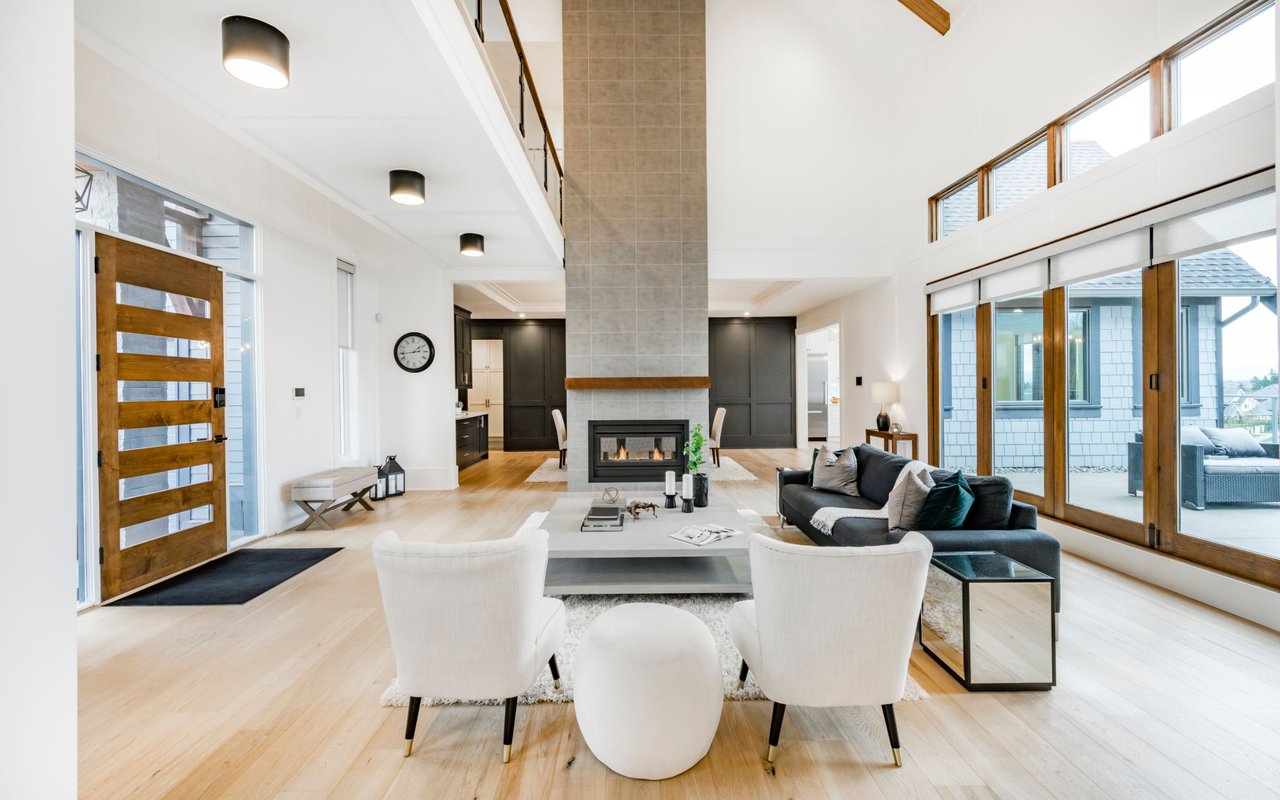
For buyers, this can create appealing options. You may find a bungalow with updated kitchens and baths, improved systems, and a more modern layout while still keeping original exterior character or interior architectural details.
Kirkwood also shows how new development can exist within a historic context. Pullman Yard is a strong example. The City of Atlanta says its historic designation protects early 20th century buildings while allowing new construction on the site, including new residences.
Historic Bungalows vs Newer Homes
If you are comparing housing options in Kirkwood, it helps to think through how an older bungalow may differ from a newer infill or recently updated home.
| Home Type | What You May Find | What to Consider |
|---|---|---|
| Historic bungalow | Original architectural character, front porch, mature streetscape, smaller footprint | Older systems, possible maintenance needs, historic review for some exterior changes |
| Renovated historic home | Preserved charm with updated kitchens, baths, HVAC, or electrical | Quality of renovation, permits, and whether original features were retained thoughtfully |
| Newer development or infill | Modern floor plans, newer materials, lower near-term maintenance | Different scale or design feel, less original character, fit within surrounding streetscape |
Neither option is automatically better. It depends on what matters most to you, how much project tolerance you have, and whether you want a home that is mostly move-in ready or one with more historic personality.
Lifestyle in Kirkwood Today
Kirkwood’s appeal is not just about houses. The neighborhood also offers a village feel shaped by local businesses, parks, and community programming. Historic Kirkwood points to a growing retail district, community yard sales, monthly meetings, and the Spring Fling Festival & Tour of Homes.
That community structure connects to the neighborhood’s historic development. National Register materials note two main commercial areas, including a larger surviving node along Hosea Williams Drive. That helps explain why Kirkwood still feels like a place with recognizable local centers rather than only residential streets.
Green space is another important part of daily life here. Historic Kirkwood reports more than 65 acres of parks and publicly owned green space in the neighborhood, and the City of Atlanta has described the proposed Eastside Trolley Line Trail as a future connection linking Kirkwood with nearby destinations, parks, and the BeltLine.
Transit access also supports the neighborhood’s intown convenience. MARTA service materials show connections at East Lake Station and Edgewood/Candler Park Station, which reinforces Kirkwood’s position as a residential neighborhood with access to broader Atlanta transit options.
What Buyers Should Check in Older Homes
If you are drawn to a Kirkwood bungalow, a careful inspection is one of the most important steps you can take. Older homes can be wonderful, but they reward buyers who pay attention to condition and maintenance.
Fannie Mae’s home inspection guidance highlights these areas as key checkpoints:
- Foundation
- Roof
- Walls and ceilings
- Windows
- Electrical system
- HVAC
- Plumbing
- Attic and insulation
- Basement conditions or water intrusion
In a neighborhood with many homes from the early to mid 20th century, these systems can vary widely from one property to the next. Two homes on the same street may have very different levels of renovation and maintenance.
This is also where construction-informed guidance can make a real difference. Understanding which updates matter most, which repairs are cosmetic, and which issues may affect your budget can help you make a more confident decision.
Lead Paint and Asbestos Matter
If a home was built before 1978, lead-based paint should be part of your due diligence. The EPA says the disclosure rule applies to most pre-1978 housing and requires sellers, landlords, real estate agents, and property managers to disclose known lead information before a sale or lease is signed. Buyers also receive a 10-day window to conduct a paint inspection or risk assessment.
If you plan to renovate an older home, the EPA advises using a lead-safe certified renovator for pre-1978 renovation, repair, or painting work. This is especially important if you want to preserve original trim, windows, siding, or other older materials.
Asbestos is another issue that may come up during renovations. According to the EPA, you cannot confirm asbestos by sight alone. If suspect materials such as older floor tile, ceiling tile, or pipe wrap are damaged or will be disturbed, sampling by a properly trained and accredited asbestos professional is recommended.
Historic Designation Can Affect Exterior Changes
One of the most important questions to ask before buying is whether the property has a historic designation or sits within a designated historic district. In Atlanta, that can affect what you are allowed to change on the exterior.
The City of Atlanta says property owners should use the city GIS property map to identify historic designation. The city also notes that exterior work on designated properties may require a Certificate of Appropriateness, and that district rules can affect setbacks, height, materials, and facade character.
That does not mean buying a historic property is a problem. It simply means you should go in with a clear understanding of the approval process before planning major exterior updates.
How to Buy Smart in Kirkwood
If you are serious about buying in Kirkwood, the goal is not just to find a beautiful home. It is to find the right fit between architecture, condition, location, and your plans for the future.
A smart approach usually includes:
- Comparing original homes, renovated homes, and newer options with the same budget in mind
- Reviewing inspection findings carefully, especially for structure, moisture, electrical, and HVAC
- Asking whether past renovations appear well executed and properly documented
- Confirming whether the property is historically designated before planning exterior changes
- Thinking through your comfort level with maintenance, projects, and long-term upkeep
Kirkwood can be a great fit if you want a neighborhood with history, personality, and an intown lifestyle. The key is making sure the home you choose matches your priorities, not just your first impression.
Whether you are drawn to a classic bungalow, a thoughtfully renovated home, or a newer property near the neighborhood’s amenities, Kirkwood offers a distinctive mix that is hard to replicate elsewhere in Atlanta. If you want expert guidance as you compare homes and weigh renovation realities, The Joe Carbone Team is here to help you move forward with clarity and confidence.
FAQs
What makes Kirkwood homes different from homes in newer Atlanta neighborhoods?
- Kirkwood has a long development history, with many homes built from the early 1900s through the postwar period, so you will often see more architectural variety and historic character than in newer neighborhoods built in a shorter time frame.
What should buyers inspect first in a Kirkwood bungalow?
- Buyers should pay close attention to the foundation, roof, walls and ceilings, windows, electrical, HVAC, plumbing, attic or insulation, and any basement or water intrusion issues.
What should buyers know about lead paint in older Kirkwood homes?
- For most homes built before 1978, sellers must disclose known lead-based paint information before a sale is signed, and buyers have a 10-day window to conduct a paint inspection or risk assessment.
What should buyers know about asbestos in older Kirkwood homes?
- Asbestos cannot be confirmed by sight alone, so if older materials like floor tile, ceiling tile, or pipe wrap are damaged or may be disturbed during renovation, a trained and accredited asbestos professional should evaluate them.
What should buyers know about historic rules in Kirkwood Atlanta?
- If a property is designated historic or located in a historic district, some exterior work may require a Certificate of Appropriateness, and city rules may affect setbacks, height, materials, and facade character.
What gives Kirkwood Atlanta its village feel?
- Kirkwood’s village feel comes from its local business areas, parks, community events, growing retail district, and transit access, rather than from a single dense downtown core.