If you are torn between the charm of an older in-town home and the convenience of newer construction, you are not alone. In Senoia, that decision can feel especially personal because each option offers a very different day-to-day lifestyle. The good news is that once you know what to compare, the choice gets much clearer. Let’s dive in.
Why this choice matters in Senoia
Senoia offers a rare mix of historic character and steady growth. The city’s downtown historic area is a walkable residential district with local businesses and recurring community events, and it is supported by a Historic Preservation Commission and a local preservation ordinance. That means your home choice here is not just about square footage or finishes. It is also about how you want to live.
Growth is part of the story too. Census Bureau QuickFacts show Senoia’s population increased from 5,016 in 2020 to an estimated 6,276 in 2025, while Coweta County grew from 146,158 to 160,240 over the same period. The median value of owner-occupied housing in Senoia was $440,800 for 2020 through 2024, which helps explain why buyers often weigh a limited supply of older homes near downtown against newer homes in surrounding residential areas.
Historic homes offer charm and walkability
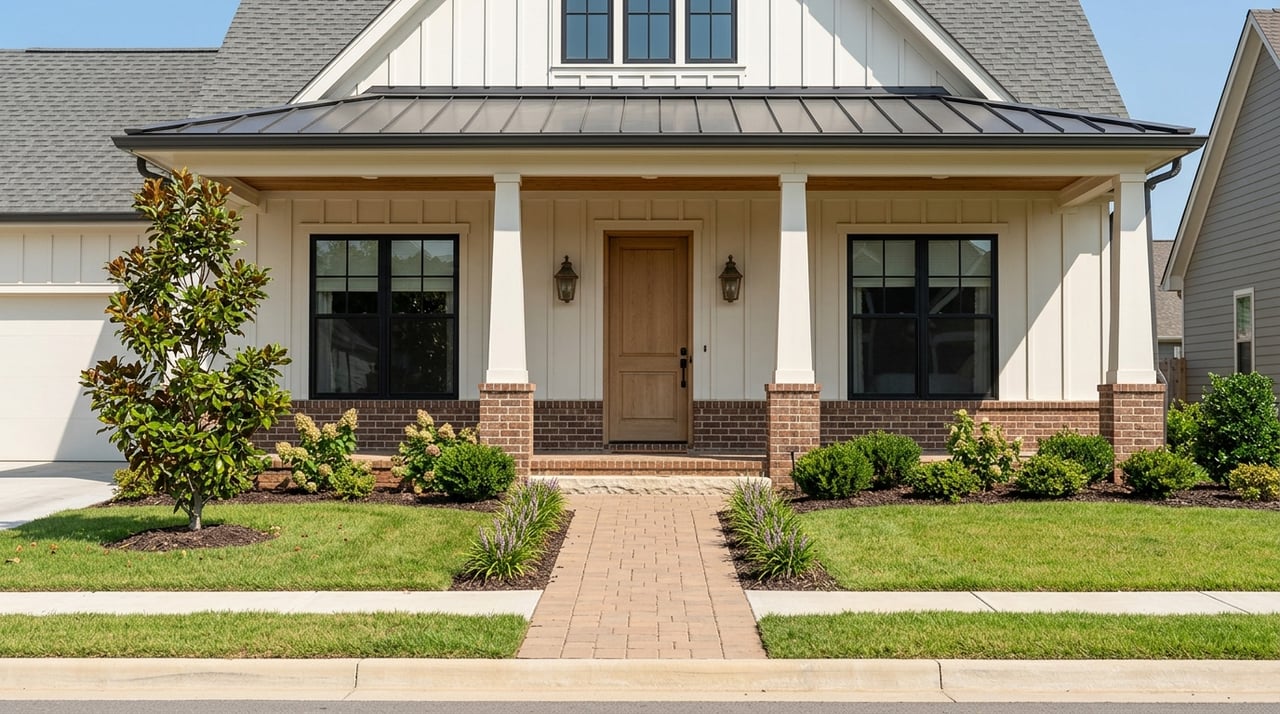
If you picture front porches, established streets, and being close to downtown activity, a historic home may feel like the right fit. Senoia’s Downtown Development Authority describes the area as a thriving small-business district in a walkable historic setting. For many buyers, that creates a strong appeal that newer neighborhoods cannot fully replicate.
Historic homes also tend to offer architectural details and a sense of place that can be hard to find in newer builds. You may find mature landscaping, distinctive exterior styles, and layouts with personality. For buyers who care deeply about character and location, those qualities often outweigh the tradeoffs.
Historic homes come with design review rules
One of the biggest differences with an older home near downtown is renovation control. In Georgia, a National Register district recognizes historic resources, but a local historic district adds design review. In Senoia, the local ordinance can require approval for new construction, additions, demolition, relocation, and material exterior changes through a Certificate of Appropriateness process.
In practical terms, that means you may have less freedom to make exterior changes without review if the property is inside the local historic neighborhood area. The ordinance is focused on appearance rather than use, and it is intended to make sure new work complements the historic neighborhood. If you love preserving character, that may feel reassuring. If you want complete flexibility, it is something to think through early.
Older homes may need more careful budgeting
Historic homes can be rewarding, but they often require more planning around maintenance and updates. If a home was built before 1978, the EPA says it may contain lead-based paint, and renovation or repair work can create lead dust. That is why lead-safe certified contractors matter when work is being done on older homes.
This does not mean an older home is a bad choice. It simply means your budget should account for inspections, paint stabilization if needed, and the right professionals for the job. A well-chosen historic home can be a wonderful long-term fit, but it often asks for a little more patience and preparation.
Efficiency is possible in historic homes
A common assumption is that old automatically means inefficient. That is not always true. The National Park Service notes that preservation, sustainability, and energy efficiency can work together, with common retrofit priorities including reducing air leaks around windows and doors and adding insulation in attics and walls.
So if you are drawn to a historic Senoia home, do not assume high utility costs are inevitable. Instead, look at what upgrades have already been made and what improvements are still possible. In many cases, targeted updates can improve comfort and performance while still respecting the home’s original character.
Newer homes offer easier comparisons
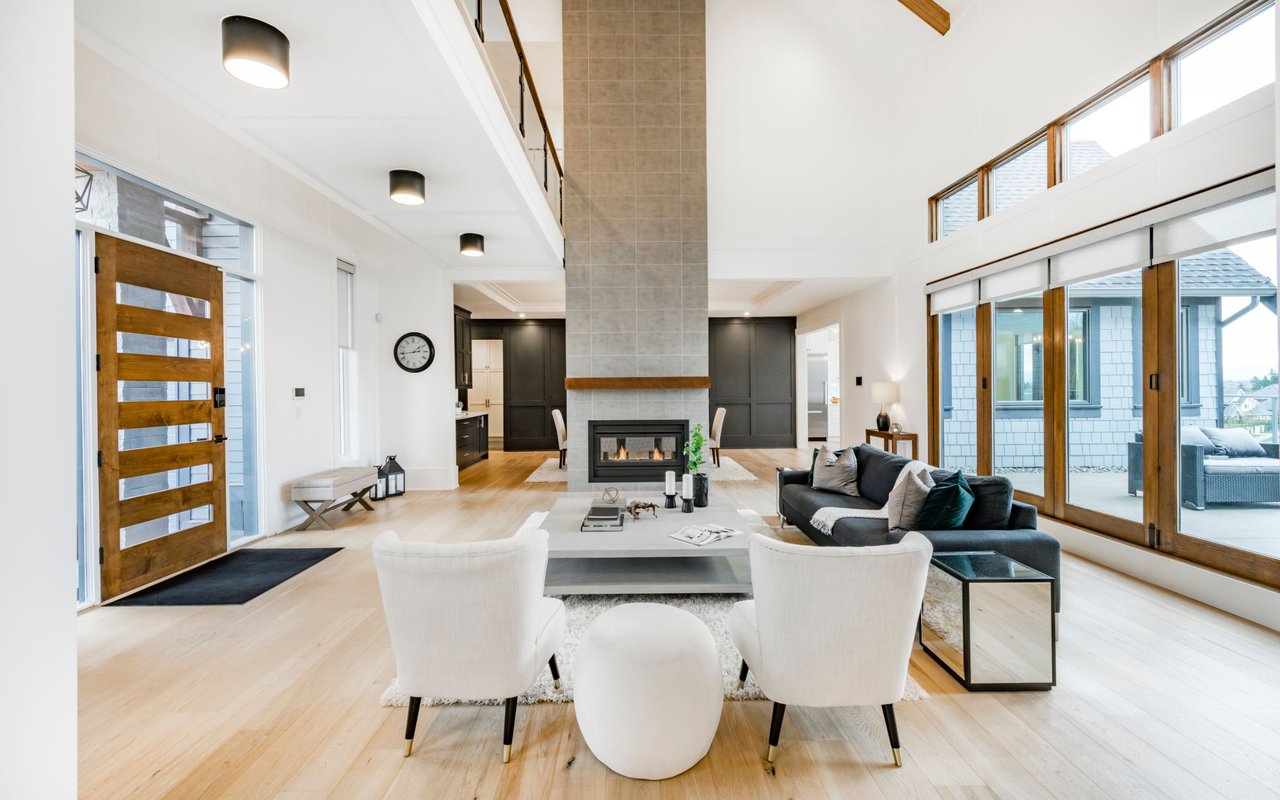
If your top priorities are predictability, efficiency, and fewer near-term repair questions, newer homes may be the better match. One major advantage is that energy performance is often easier to compare. ENERGY STAR says certified new homes are independently verified for insulation, windows, air sealing, and HVAC performance and exceed minimum energy code requirements by at least 10 percent.
That kind of documentation can make your decision feel less like guesswork. Instead of relying on appearance alone, you can compare concrete information about construction and performance. For relocators and busy households, that simplicity can be a real benefit.
Energy ratings can help estimate costs
Monthly affordability is about more than the mortgage payment. The Department of Energy notes that an energy rating can estimate annual energy use and costs. HERS ratings are most often used for newly constructed homes, while Home Energy Scores are commonly used for older homes.
If you are comparing a newer subdivision home with an older in-town property, ask what energy rating or certification is available. An ENERGY STAR label or a strong HERS score gives you a more reliable way to compare efficiency. That can help you build a more realistic monthly budget before you buy.
Property taxes depend on assessment, not age alone
Some buyers assume a newer home will always mean higher property taxes. In Georgia, that is not necessarily true. State law assesses property at 40 percent of fair market value unless otherwise specified, and in Coweta County, the Tax Commissioner bills and collects property taxes while the Assessor’s office handles homestead applications and property values.
In other words, age alone does not determine your tax burden. What matters more is the county assessment and current millage. Whether you are looking at a historic home or a newer build, it is smart to estimate the likely tax bill as part of your overall cost comparison.
How to compare homes in Senoia
When you are deciding between historic and new, it helps to use the same checklist for every property. That keeps emotion from taking over too early and helps you compare homes more fairly.
Here are four smart questions to ask:
- Is the home inside Senoia’s historic neighborhood overlay, and would exterior work require a Certificate of Appropriateness?
- How old is the home, and if it was built before 1978, has it been tested or assessed for lead-based paint hazards?
- What energy rating, certification, or estimate of annual utility use is available?
- What will the likely Coweta County tax bill be under current assessment rules?
These questions can quickly bring the tradeoffs into focus. They also help you think beyond the listing photos and into the real costs, flexibility, and upkeep tied to each option.
Which type of home fits your goals?
For many buyers, the choice comes down to lifestyle versus predictability. If you want character, a walkable setting, and a home with personality, the historic core may be your best fit. If you want easier maintenance planning, measurable efficiency, and a more straightforward comparison process, newer construction may feel more comfortable.
Neither choice is universally better. Senoia’s official historic protections and its growing housing market make both paths realistic, but each one rewards a different kind of budget, timeline, and comfort level with upkeep. The key is choosing the home that fits how you want to live, not just what looks best on paper.
With Joe Carbone’s construction and renovation background and the team’s deep Southside market knowledge, you can get practical guidance on what to look for before you commit. If you are weighing historic charm against the ease of newer construction in Senoia, connect with The Joe Carbone Team for clear, local advice tailored to your goals.
FAQs
What should buyers know about Senoia historic homes before making an offer?
- Buyers should confirm whether the home is inside the local historic neighborhood area, because exterior changes may require a Certificate of Appropriateness through the city’s review process.
How can buyers compare energy efficiency in Senoia homes?
- Buyers can ask for an ENERGY STAR certification, a HERS rating, or another estimate of annual utility use to compare likely energy performance more accurately.
What matters most when comparing property taxes on Senoia homes?
- In Coweta County, property taxes depend more on assessed value and millage than on whether a home is older or newer.
Why do some buyers choose historic homes near downtown Senoia?
- Many buyers are drawn to historic homes for their architectural character, established setting, and access to Senoia’s walkable downtown area.
What extra maintenance questions apply to older homes in Senoia?
- If a home was built before 1978, buyers should ask about lead-based paint hazards and whether any renovation work has been handled with lead-safe practices.